closed beta

DTCG design tokens,authored in Figma, owned by you.

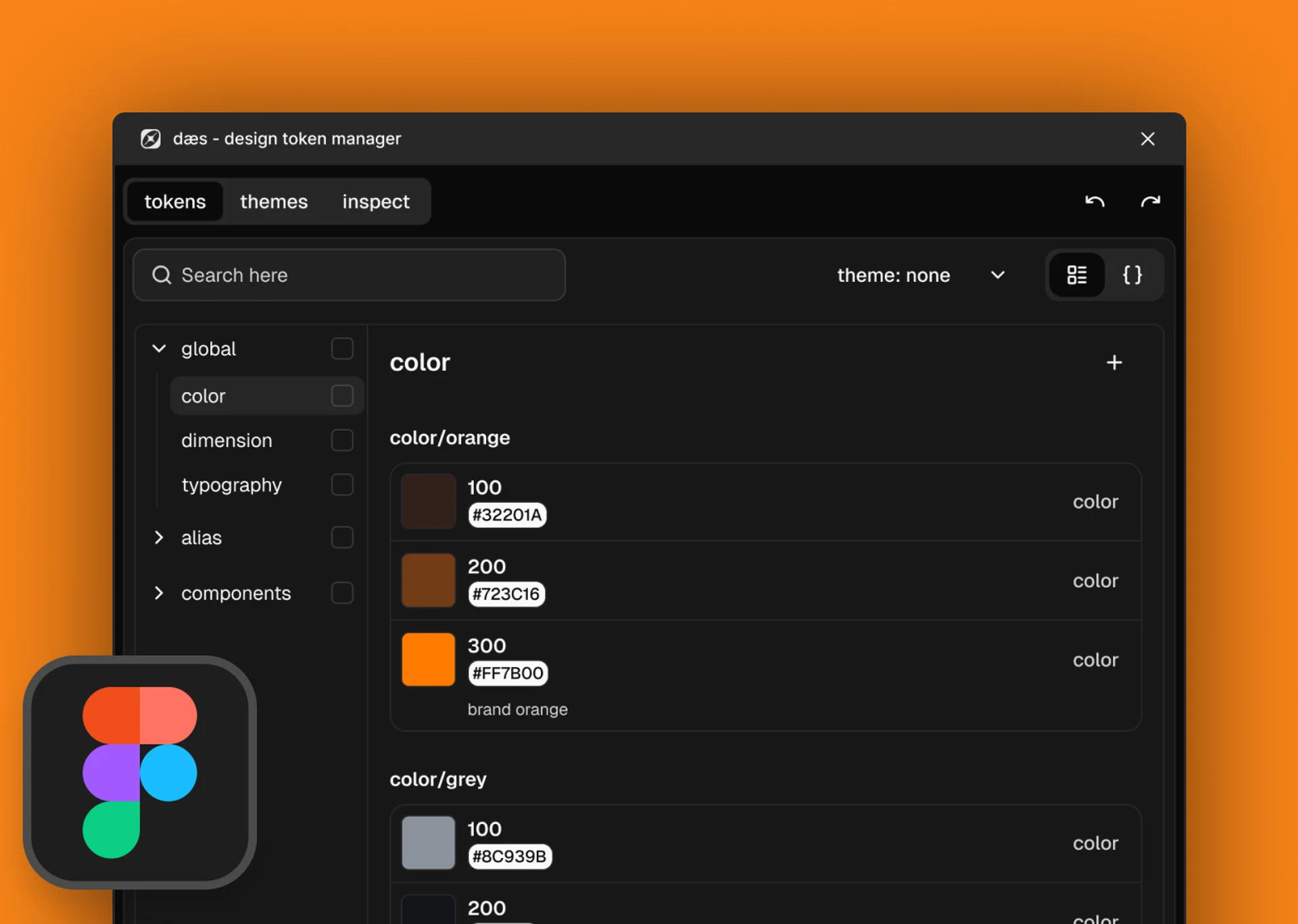
DAES Token Manager is an open source Figma plugin that stores design tokens in the W3C DTCG 2025.10 format, the shape Style Dictionary already reads. Author every token type, resolve aliases live, apply them to nodes and variables, and push plain JSON to your own repo. No server of ours in between.

DTCG 2025.10 native

The spec is the storage format, not an export target.

Data privacy conform

No server of ours between you and your tokens.

Easy AI integration

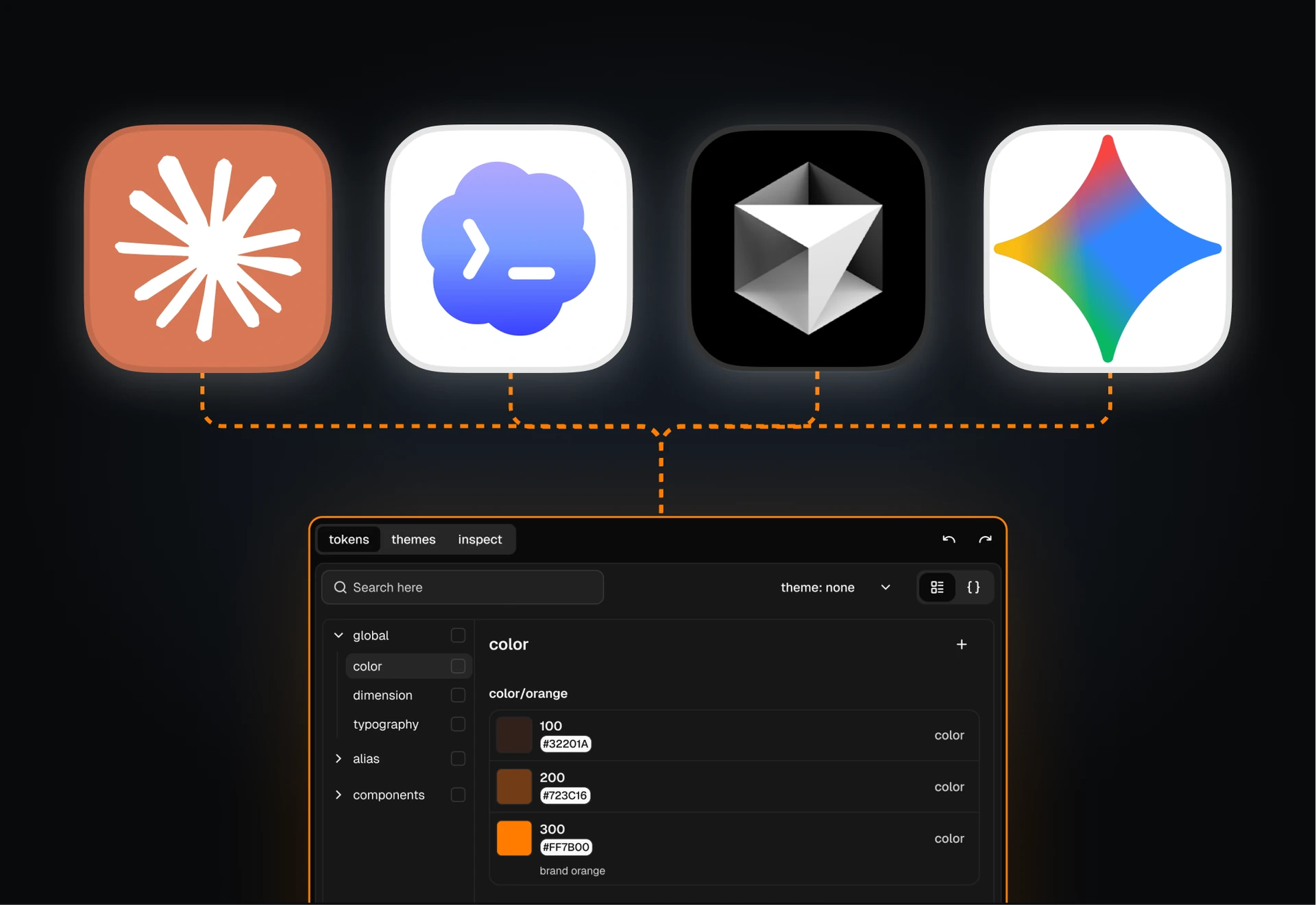
Reach your token store from an agent running on your own machine.

Open source community project

Apache-2.0. Read it, fork it, run your own build.

//FEATURES9 capabilities

One format. All the way through.

Most token workflows convert between three or four shapes on the way from Figma to code. This one doesn't convert at all; it stores exactly what the DTCG 2025.10 spec describes.

01AI

Websocket + MCP

An MCP server runs from npx on your machine and reaches the plugin over a localhost websocket. Your agent reads the live token tree, resolves an alias, or writes an edit back through the plugin's own import path. No Figma access token, and nothing leaves your machine.
02FORMAT

DTCG native

Tokens are stored in the shape the DTCG 2025.10 spec describes: $type and $value, references in dot notation, no plugin wrapper around them. There is no legacy format underneath and no conversion on the way out, so the JSON in your repo is the JSON the plugin edits.

03PRIVACY

DSGVO compliant

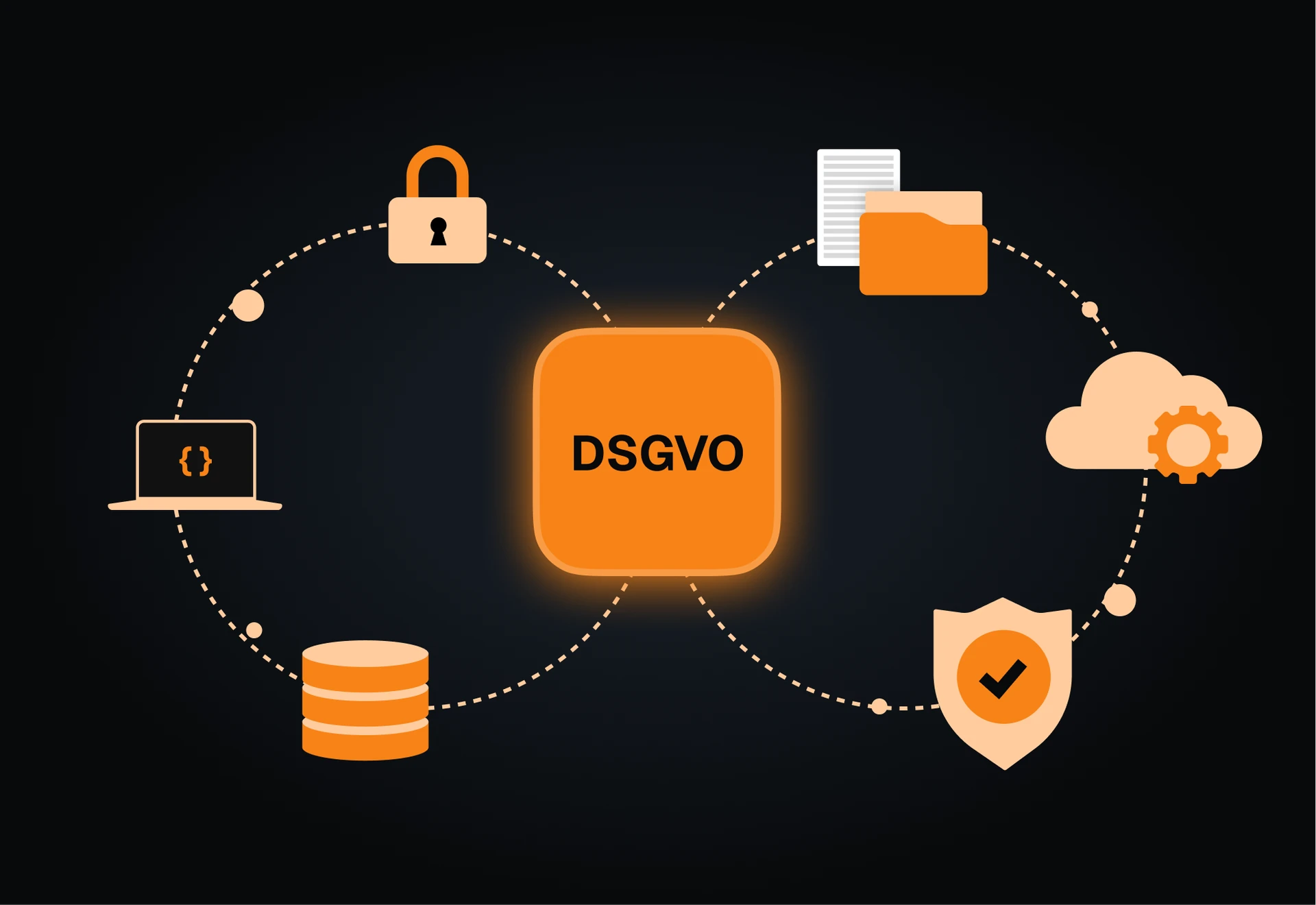
Your tokens live in the Figma file and in your own Git repository. The plugin talks to the Figma API and your provider directly, so there is no server of ours in that path. Accounts and login are the only things we host, and they run in Germany.

DTCG native

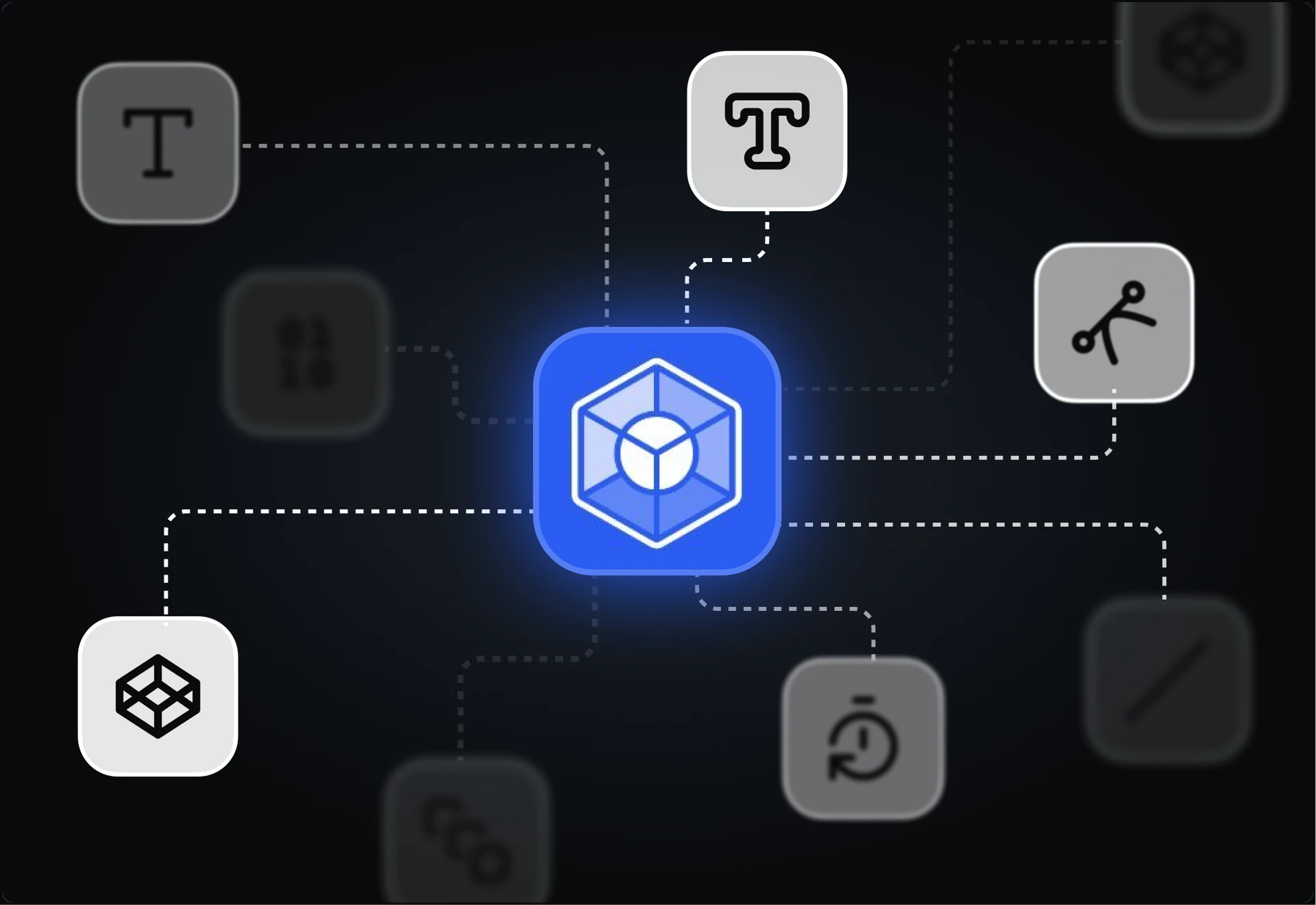
Every token type the spec defines, stored in the shape DTCG 2025.10 describes, not converted into it on the way out.

AI integrationplus

Reach the token store from an agent over a local MCP bridge and work next to it in one interface, instead of describing your tokens in a prompt.

Easy theming

Create a theme and link the token sets that belong to it, so the same token stops being maintained twice in two places.

Sync provider support

Connect the token repository you already have: GitHub, GitLab, or a plain remote URL for read-only sources.

Apply directly to Figma

Bind tokens straight to Figma nodes, so a layer carries the decision instead of a copied value.

Token Wizard

Skip the long first pass at a token architecture. The wizard scaffolds a working three-tier system, contrast-checked, and you take it from there.

GDPR compliant

Your tokens never reach our infrastructure. The plugin talks to Figma and your Git provider directly. Accounts and login are the only things we host, and they run in Germany.

Sync to Figma

Push tokens into Figma variables and pull changes back into the plugin. The round trip runs in both directions.

Phrase key functionplus

Sync copy alongside design decisions. Share access once and text changes stop being another round of manual edits, without buying more Figma seats.

//COMPARISONchecked 24 August 2026

How this compares.

Three ways to run a token system today. Where a competitor is ahead, the table says so.

Design token tooling compared. Competitor details checked 24 August 2026.
CriterionDAES Token ManagerTokens StudioStyle Dictionary + Git
DTCG 2025.10 as the storage formatNative, with no legacy format underneathOptional; legacy is the default, further types listed for future releasesWhatever you write
Token types beyond colour and numberTen types including shadow, transition, cubicBezier and strokeStyle. Typography and gradient in progress.Broad type coverage, including composite typesWhatever you implement
Guided setup for a new token architectureThe wizard generates a three-tier system across brand, mode and density, contrast-checked before it writesStarter kits to duplicate, no guided generatorYou design the tier structure yourself
Live alias resolution while editingComputed value shown inline; cycles and dangling references rejected on saveReferences resolve in the pluginResolved at build time, if at all
Apply tokens to Figma nodesTyped applicators write the matching Figma propertyYesNot applicable
Figma variables round tripPush and pull, both directionsYesCustom script against the Plugin API
Themes across brand, mode and densityToken sets linked per axis, switched togetherThemes and token setsYou model it yourself
Git syncGitHub, GitLab, or a read-only remote URLYes, across a longer list of providersNative
Agent access over MCPLocal MCP bridge over a localhost websocket, with no vendor cloud in the pathMCP access, from the paid Starter Plus tier upwardsWrite the server yourself
Copy and localisation keys alongside tokensPhrase keys sync with your design decisions, without buying more Figma seatsDesign tokens onlyA separate i18n pipeline
Vendor infrastructure in the token pathNone. Accounts and login are hosted in Germany, token data is not stored at all.None for plugin sync; platform tiers run on their cloudNone
Plugin licenceApache-2.0, with an explicit patent grantMITNot applicable
PriceFree during the beta, pricing after that undecidedFree plugin tier; platform from €17 to €499 per month billed annuallyEngineering time
MaturityClosed beta, 2026Years of production use and a broad ecosystemAs mature as your team

The short version

Tokens Studio has years of production use, a longer list of sync providers, and a hosted platform your organisation can buy on a purchase order. DAES Token Manager stores tokens in the DTCG 2025.10 shape with no legacy format underneath, keeps your token data out of any vendor infrastructure, and scaffolds a three-tier architecture for you if you are starting from scratch. If the storage format matters to you, or a vendor cloud in your token path is a problem, start here. If you need a mature ecosystem today, start there.

//READY WHEN YOU ARE

Stop maintaining two versions of the truth.

One token store, authored in Figma, committed to your repo. That's the whole loop.

//GETTING STARTED08 steps · ~20 min

From an empty file to a repo full of tokens.

Tap a step to see the panel it happens in. You need a Figma file and somewhere to put the JSON. That is the entire prerequisite list.

//COMMUNITYopen source

Built in the open, steered by the people using it.

The spec is still moving and every design system carries an edge case this plugin hasn't met yet. Those edge cases are the roadmap, which only works if the people hitting them can reach the people building it.

01 · discord

Ask, and think out loud

Support questions, spec arguments, and half-formed ideas. The quickest way to get unstuck, and where most work is discussed before anyone opens an issue.

02 · github

Issues and pull requests

Bugs, feature requests, and the roadmap. A report with a token value and a repro gets picked up fastest. The failing case usually writes the test.

03 · licence

Apache-2.0 licensed

Read it, fork it, audit it, run your own build. A tool that decides what your design system may express should not be a black box.

The Discord is the front door.

Support questions, feedback on the token model, and early looks at what's next. No ticket queue: the people building it are in the same channel.

//FAQ10 questions

Honest answers about a young tool.

Can't find what you're looking for? Email contact@daes.app.

What is DAES Token Manager?
A Figma plugin that manages design tokens in the DTCG 2025.10 format. You author tokens in it, apply them to Figma nodes and variables, and sync the resulting JSON to your own repository. The plugin is the single place tokens are written; Figma and your codebase are both downstream of it.
What is DTCG, and why does the version matter?
DTCG is the Design Tokens Community Group format, the W3C-track specification for how design tokens are structured. The version matters because the format is still stabilising: values changed shape between revisions. This plugin targets 2025.10 and stores values in that exact shape rather than converting on export.
Doesn't Figma already have variables?
Figma variables cover a subset: colors, numbers, strings, booleans. They have no concept of a shadow token, a transition, a cubic-bezier easing, a stroke style, or a typed dimension with a unit. This plugin holds the full token graph and maps the parts Figma can represent onto variables and their modes, so variables stay useful without becoming the limit of what you can express.
Which token types are supported?
dimension, duration, number, cubicBezier, fontFamily, fontWeight, strokeStyle, border, shadow and transition are implemented against the 2025.10 spec. color is supported with 14 color spaces; its full migration to the 2025.10 shape is in progress. typography and gradient are planned.
Is DAES Token Manager really open source?
The plugin is licensed under Apache-2.0, which includes an explicit patent grant. The repository opens with the public beta; during the closed beta the licence applies but the source is not yet public. Paid features run as a separate backend service that is not part of the plugin source, so “open source” describes the plugin rather than the whole product.
Where is my token data stored, and is it GDPR compliant?
Your tokens live in the Figma file and, once you connect a provider, in your own Git repository. The plugin talks to the Figma API and to your provider directly, so no token data reaches our infrastructure at all. The only thing we host is accounts and login, and that runs in Germany. Sync credentials stay in the plugin's own storage on your machine.
How is this different from Tokens Studio?
Two things, mainly. This plugin stores tokens in the DTCG 2025.10shape with no legacy format underneath, where Tokens Studio keeps its legacy format as the default and offers DTCG as an option. And no token data passes through our infrastructure, where Tokens Studio's paid tiers run projects and releases on their own cloud. Against that, Tokens Studio has years of production use, a longer list of sync providers, and a hosted platform you can buy on a purchase order. Their plugin is MIT licensed and open source too, so that is not the difference.
Will the output work with Style Dictionary?
That is the intent. The files are plain DTCG JSON with no plugin-specific wrapper, so any consumer that reads the 2025.10 format, Style Dictionary included, should take them unchanged. Since tooling support for 2025.10 is still landing across the ecosystem, verify against your own build before relying on it.
Can I import the tokens I already have?
Yes. Paste or upload existing token JSON and the plugin will parse it into token sets. Files written against an older DTCG revision may need their values adjusted to the 2025.10 shape; the validator tells you which ones.
What does it cost, and how do I get into the beta?
Free during the closed beta. Pricing after that has not been decided; if a paid tier appears it will be announced well before it applies. Access is invite-based at the moment: tell us what your token setup looks like and we will send you in.
//READY WHEN YOU ARE

The beta is small on purpose.

Tell us what your token setup looks like and we'll send you in.